Die Logik des Herzens

Roman

Aus dem Englischen von Barbara Christ.

488 Seiten. Gebunden.
€ 22,95   €[A] 23,60   SFR 32,90
ISBN: 978-3-89561-285-5

» Leseprobe
» Autorenporträt Priya Basil


In einem Londoner Café wartet Anil auf seine große Liebe. Lina verspätet sich, wie sie es immer getan hat – bis ihr Zusammenleben unmöglich geworden ist. Jahrelang haben sie sich nicht gesehen, doch jetzt hat sie ihn überraschend zu einem Treffen gebeten. Während sie aufgehalten wird, weil die U-Bahn wegen eines Terroralarms nicht fährt, sucht er in seiner Erinnerung nach einem Weg, sie zurückzugewinnen. Von Anfang an haben in diesem modernen Romeo-und-Julia-Drama ihre Familien die Verbindung durchkreuzt. Vor allem Linas Vater, streng gläubiger Moslem und engagierter Rechtsanwalt, ist vehement gegen die Beziehung.
Ohne sein Wissen folgt deshalb die Jurastudentin dem angehenden Architekten heimlich nach Kenia. Ausgerechnet Anils einflussreicher Vater, der in dubiose Geschäfte verwickelt ist, verschafft ihr dort ein Praktikum bei den Vereinten Nationen. Es führt sie in ein Flüchtlingslager im Sudan. Was sie hier herausfindet, wird zur Zerreißprobe ihrer Liebe.
Priya Basil erzählt eine bewegende Liebesgeschichte vor dem Hintergrund der kulturellen Vorurteile und großen internationalen Konflikte unserer Gegenwart.


Индийская семья, осевшая в Лондоне...
Главой этой семьи можно считать Карама, но ее душой стала жена Карама - Сарна.
Долгие годы хранила она множество семейных тайн - и была при этом столь же изобретательна, как при создании рецептов изысканных индийских блюд, в которых "зашифровывала" свои чувства, свою боль и свою радость.
Ревность и зависть горчат.
Маленькие повседневные неприятности солоны.
Надежды всегда сладки.
Побег мужа? Немножко карри...
Его возвращение? Чуть-чуть сахарной пудры...
У каждого семейного события собственный, неповторимый вкус.
Но однажды Сарна получает известие, которое никак не вписывается в книгу семейных рецептов. Известие, которому суждено навсегда изменить и ее жизнь, и жизнь ее близких...


Прийя Базил родилась в Лондоне, когда ей исполнился год, ее родители переехали в Кению. В 16 она вернулась в Великобританию и поступила в Университет Бристоля, где изучала английскую литературу. После его окончания Прийя три года проработала в сфере рекламы.
Однажды друг предложил ей уехать и провести вместе время в Берлине, и попытаться написать там роман, о котором она так долго мечтала. Прийя уволилась с работы, оставила семью и родных и уехала в город, даже не зная языка, на котором там говорят. Два года спустя ее первый роман, Имбирь и Мускат, был закончен.


Daniëlle over Ishq en Mushq:


Sarna en Karam Singh zijn een jong stel uit India, dat kort na hun trouwen naar de Afrikaanse oostkust is geëmigreerd. Wanneer Karam na diverse ‘zakenreizen’ naar Engeland voorstelt om samen met de kinderen naar Londen te verhuizen, stemt Sarna aarzelend in. Karam vindt de historische sfeer van Londen geweldig, maar Sarna is ervan overtuigd dat hij vooral wil verhuizen zodat hij zijn minnaressen makkelijker kan opzoeken. Zonder dat iemand het weet wordt Sarna echter verscheurd door een beslissing die ze als jonge vrouw moest maken. Teruggetrokken in haar keuken probeert ze haar verleden te vergeten door iedereen een andere waarheid voor te schotelen.

Tegen de epische achtergrond van onder meer de onafhankelijkheidsstrijd van India in 1947, de troonsbestijging van Elizabeth II in 1952 en de begrafenis van Churchill in 1965, toont Priya Basil ons met liefde, humor en een snelle pen universele waarheden waarin elke lezer zich zal herkennen.


Buy from other stores:


First published:

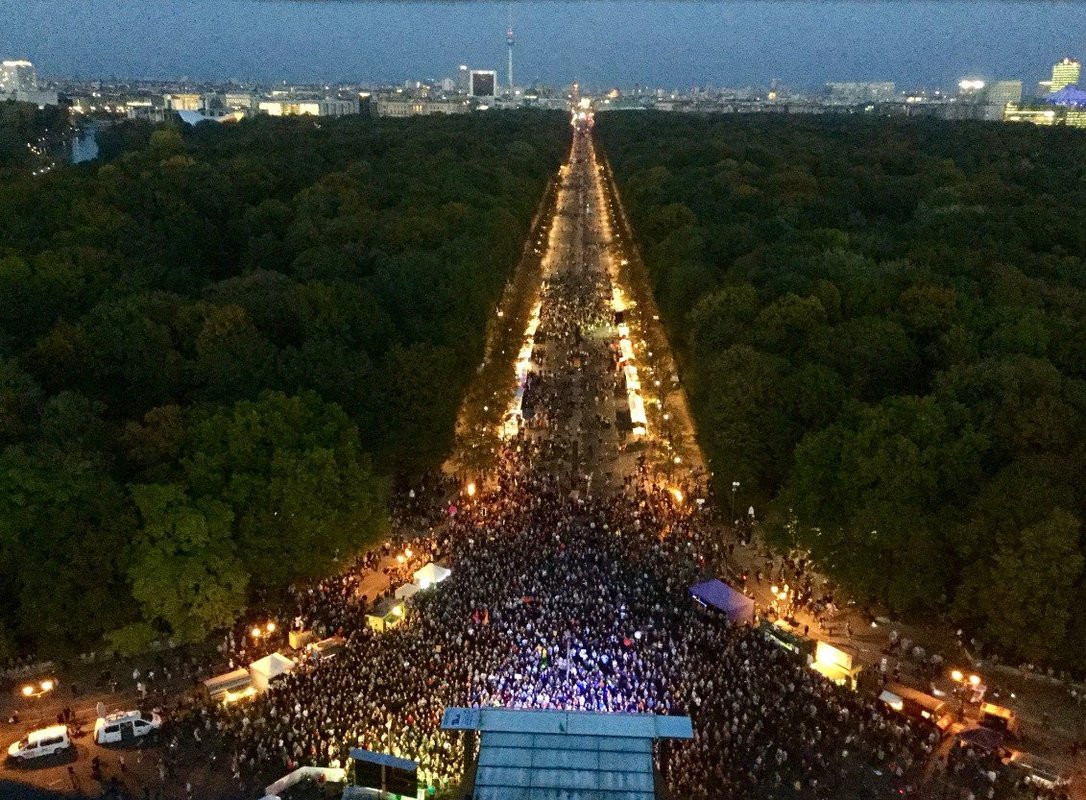
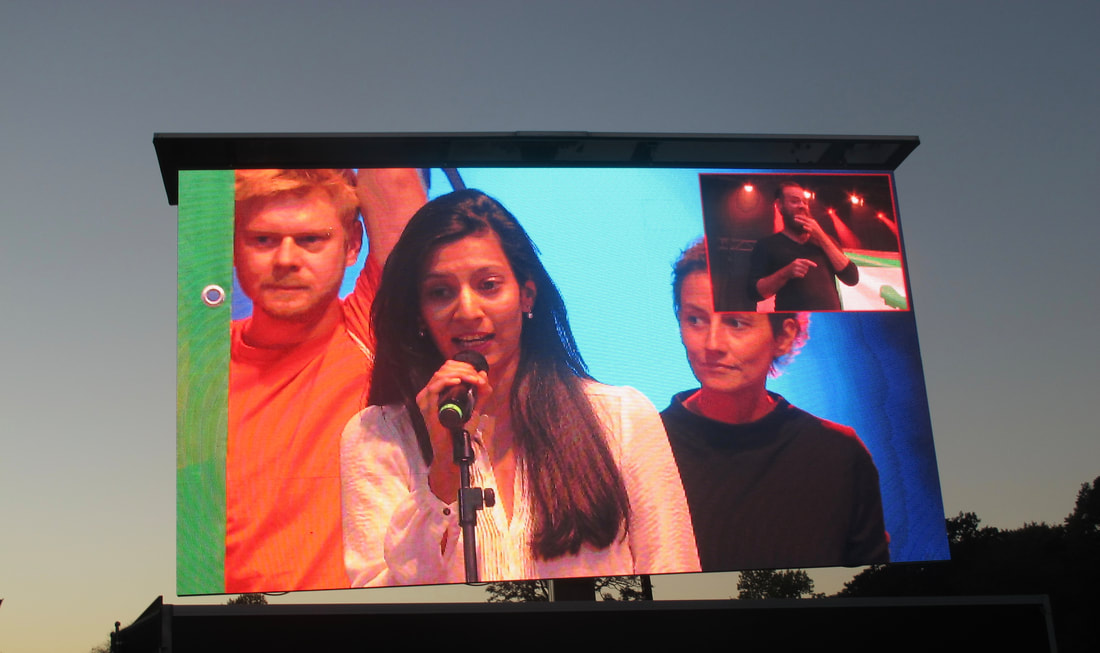
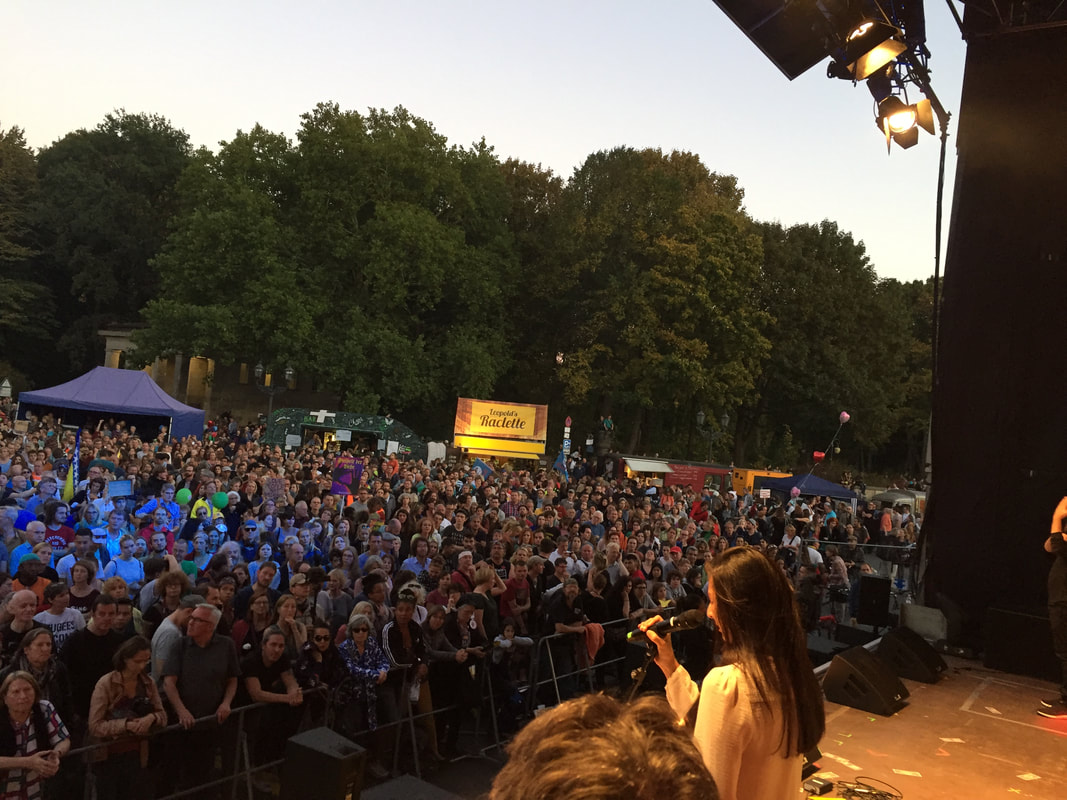
Suddenly, the waves of sympathy being expressed by the crowd at the internationales literaturfestival berlin’s Worldwide Reading for Liu Xiaobo swelled into indignation as Herta Müller, Nobel laureate and guest speaker at the event, revealed the contents of an email she’d been forwarded earlier that day from the dissident Chinese poet Bei Ling. In the message, addressed to The British Council, Bei Ling criticizes the fact that only Chinese state-approved writers and organizations are represented at the London Book Fair 2012, where China is the focus. Bei Ling expressed regret and amazement that no exiled or dissident writer from China has been invited to the Fair. Müller said that this kowtowing to China was bad enough when it happened at the Frankfurt Book Fair 2009, but it was even worse in London 2012. The audience certainly agreed and many favoured organizing some kind of public protest against the book fair.

Perhaps Müller’s revelation was especially shocking because we all thought we were gathered to reflect on the repression going on elsewhere – and we were instead confronted with the fact that censorship in China means censorship for us in the West too.

This point was reinforced by Tienchi Martin, president of the Independent Chinese PEN Centre and another one of the guest speakers. She reminded the audience that when a huge power like China mistreats its citizens it is not just a Chinese issue – freedoms across the world are threatened. Economic interests have tethered our lives to China in ways that we’re not even fully aware of. Martin asked the audience if they could imagine going for five days without many of the Chinese-made products that no doubt fill their homes and offices. The extent of China’s influence on us is more far reaching than we’d like to consider, and therefore the eventual effects of China’s internal policies on us, too, may be greater than we can imagine.

As Ulrich Schreiber, director of the literaturfestival, and initiator of the worldwide readings, reminded us at the start of the evening on 20th March 2012, Liu Xiaobo has been incarcerated for 1198 days. He will remain in prison for a further 3018 days unless the Chinese authorities relent. The government shows no signs of revoking Xiaobo’s sentence. Indeed, many other writers and dissidents continue to be detained across China.

Mostly it feels like there’s not much we can do about such injustices, but on occasions like the Worldwide Reading, belief in the power of human solidarity is refreshed, and the will to act is galvanized.

Through a thoughtfully choreographed evening of documentary film, readings, music and discussion at the Martin Gropius Bau in Berlin, the literaturfestival created a forum in which all those gathered could reflect on Liu Xiaobo’s life and achievements, the role of China in the world today, and the significance of one man’s fate for the rest of us.

“Maybe for the West the Charta 08 is a very basic thing, just common sense, but for the people of China it is hugely important. They have been fighting for it for years. I think it’s amazing for us to have such a document.” This was the response of Liao Yiwu, a longtime friend of Xiaobo’s, and now a writer in exile himself, after the public reading of Charta 08.

Herta Müller remarked that the document, in its “exactness and humanity”, shows “how necessary Liu Xiaobo is for China. It’s a catastrophe that the regime puts such a person in prison.” She also highlighted the personal dimension of this tragedy, speaking with feeling about Xiaobo’s “stolen life”, and how his wife, Liu Xia, too, has been cut off from the world.

Certainly, Xiaobo’s poems, remind us of the private love story within the very public, politically charged narrative of Xiaobo’s life. He writes of “the nights of love stored away”, and one can’t help thinking perhaps it would now be more apt to say ‘snatched away’. In Longing to Escape, written for his wife, Xiaobo says:

“I would toss aside the pretense of martyrdom
To lie humbly at your feet.
This, saving death, is my one true duty.
Then my heart would be as a mirror.
Reflecting everlasting happiness.”

One audience member asked if Xiaobo knew anything of the worldwide reading, or other initiatives to help him. Tienchi Martin assured the audience that Liu Xiaobo, for all the restrictions on him, “knows he is not alone”. News does trickle in to him through the limited family visits he allowed from his wife and brother.

Xiaobo must know the words of Confucius: “Virtue is not left to stand alone. He who practices it will have neighbors.” The worldwide readings embody this idea, and on 20th March many stood together to honour Liu Xiaobo. We will continue to take this stand until Xiaobo is released.


Priya Basil


Dopo il successo di
Profumo di spezie Proibite


Il Dio Degli Amori Impossibili

Una passione più forte di ogni divieto
Una storica cui nessun dio
può scrivere la parola fine


"Una storia intensa e brilliante
che disegna con maestria
le complicate traiettorie dell'amare."
Financial Times


Data uscita: marzo 2012


Learning English in France with
Strangers on the 16:02

Picturing the scene
and
analyzing the setting

Tout au long de cette partie, vous aiguiserez votre capacité à visualiser une scène écrite, mais aussi à en parler d’un point de vue littéraire.
En vous appuyant sur une scène de Strangers on the 16:02 de Priya Basil, vous apprendrez tout d’abord à repérer et à interpréter les éléments du cadre. Vous observerez à la fois le cadre spatial et le cadre temporel dans laquelle se passe l’action et dans laquelle évoluent les personnages. Ainsi, vous vous familiariserez aux différents types d’environnements dans lesquels une scène peut avoir lieu. Vous verrez également que l’atmosphère d’une scène est intimement liée au cadre spatiotemporel en comparant la scène que vous aurez étudiée avec une autre scène du même ouvrage. Tout au long de cette partie vous vous entraînerez à parler du décor.


al7an16tdpa0211-sequence-03.pdf
File Size: 2727 kb
File Type: pdf
Download File


Data uscita: marzo 2012


A Londra, in un caffè, Anil sta aspettando Lina. Lei è in ritardo, come al solito. Come il giorno in cui è iniziato tutto tra loro. A quei tempi, giovani studenti universitari, vedevano nei loro nomi - uguali se capovolti - un romantico segno del destino, ma non riuscivano o non volevano leggere nelle differenze religiose tra le rispettive famiglie (una musulmana, l'altra sikh) i presagi di un addio. Dopotutto, era quasi il XXI secolo. Perché reincontrarsi ora, a una vita di distanza, dopo essersi arresi alle tradizioni e ai compromessi? La risposta è in una lettera, spuntata all'improvviso dal passato: l'ultima occasione per scoprire se può esserci un nuovo inizio o se la parola fine è stata davvero scritta per sempre. Un romanzo struggente e appassionante, che parla di amori proibiti e della paura che condanna all'infelicità, di storie che si ripetono e di storie che non finiscono mai.


Create a free website with Weebly